

Sartoria Sociale Lister
Project insights
Phase 1
Copywriting
Before I started writing for Lister, I focused on a fundamental question: who is this brand, really?
I didn’t want to simply describe its products - I wanted to understand the essence of the project. I analyzed its identity, values, and positioning, looking beyond the surface. I asked myself what the true goal of the communication was and what kind of emotion it should evoke in the reader.
What emerged was the image of a brand that doesn’t rely on urgency or commercial pressure to persuade, but instead builds trust over time. Quality, relationships, and social impact stood out as its core elements. As a social cooperative, Lister’s purpose goes beyond sales: it represents, above all, a reality to be shared, a story to be told, and a project that invites awareness and active participation.
The communication, therefore, was not meant simply to promote, but to inform, engage, and inspire. The ultimate goal was not just the purchase of a product, but the opportunity to connect with the project, such as take part in a workshop, support the initiative, donate materials, or contribute in a more personal way.
For this reason, I chose a soft-selling approach, prioritizing values over purely technical aspects. Storytelling became my main tool: I crafted a narrative designed to evoke inclusion, a sense of belonging, hope, and renewal - concepts deeply rooted in Lister’s work.
During the brainstorming phase, I focused on developing a language that could express these values while remaining consistent with the world of tailoring. This led to the idea of building a narrative metaphor that runs throughout the text: using the vocabulary of sewing to tell a broader story.
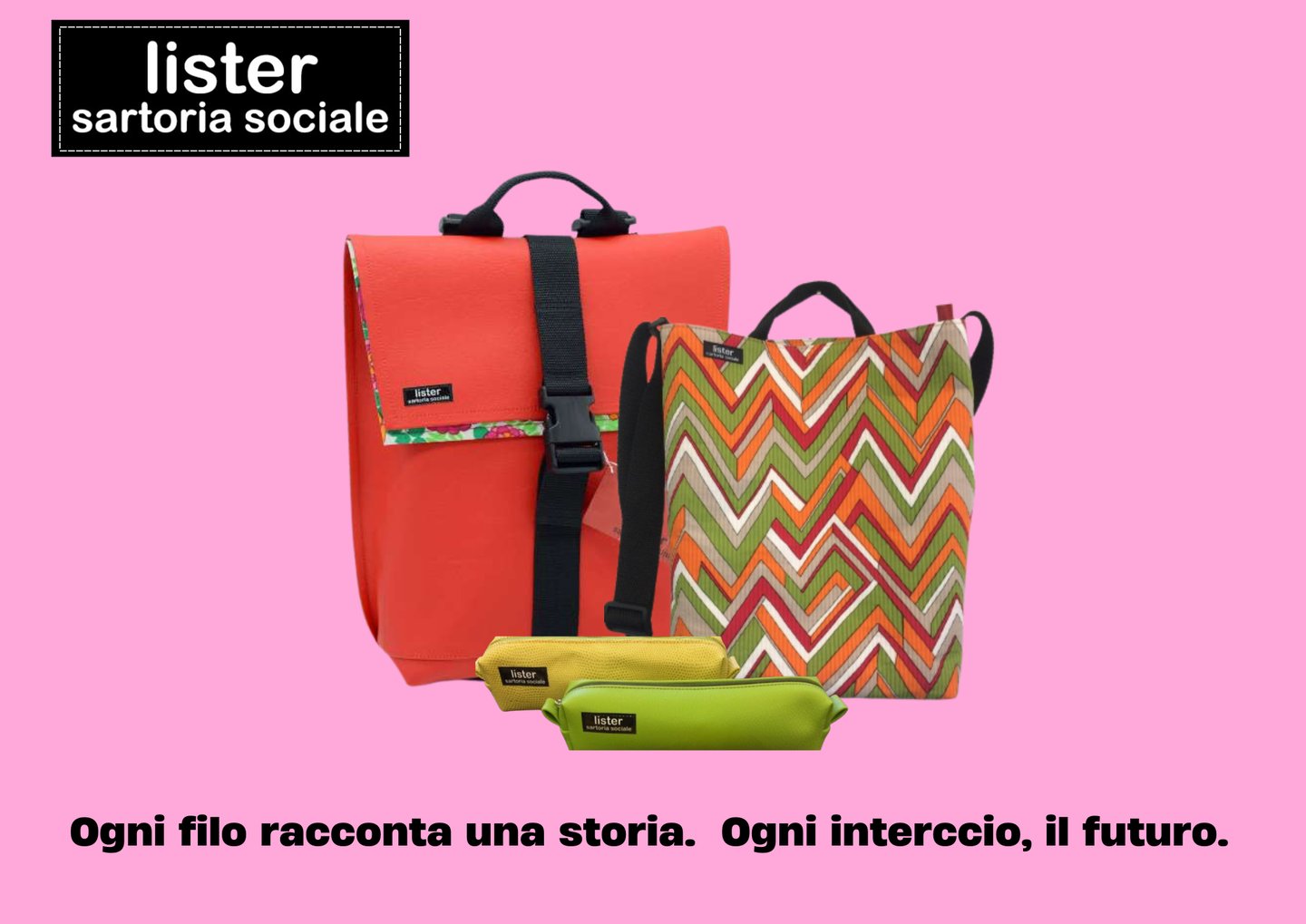
This is how the italian slogan took shape: “Ogni filo racconta una storia, ogni intreccio il futuro.”
An expression that brings together the language of tailoring and the idea of a second chance: through needle and thread, the past is not erased, but transformed into a new opportunity.
Phase 2
Transcreation
In the transcreation phase, I once again started with a thorough analysis of the brief and the company’s objectives, just as I had done during the copywriting stage. This time, however, I was working from a source text that had already shaped most of the campaign.
My goal was clear: to engage the audience with a message that could highlight Lister’s ethical values while evoking a sense of inclusion, belonging, and hope - ultimately encouraging readers to support the project.
I began by analyzing the metaphors and language of the original text to assess whether they would resonate equally well in English. Given the more direct and pragmatic nature of the English language, fully preserving the poetic tone carried a risk: the message could have sounded artificial or overly elaborate, rather than natural and engaging.
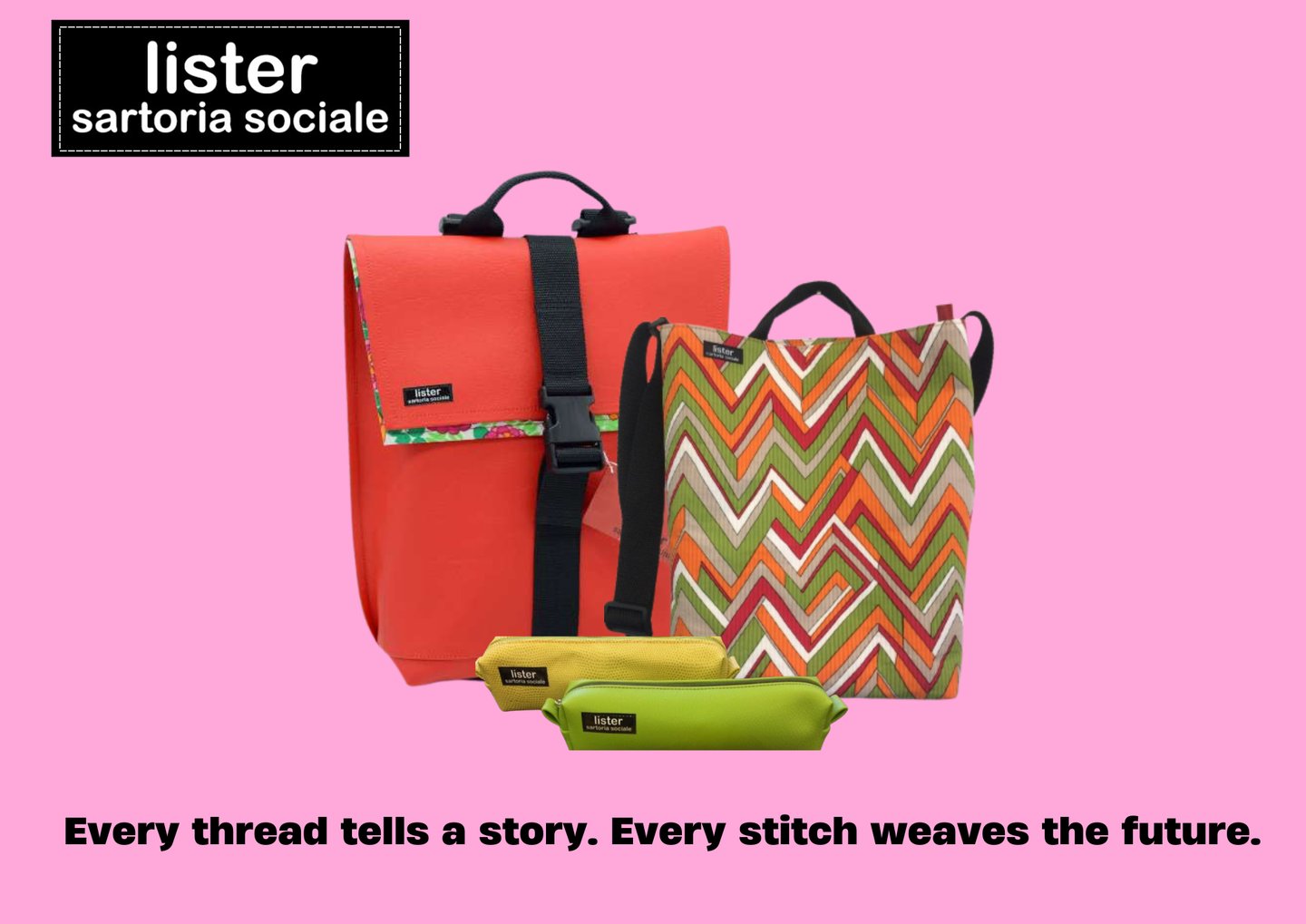
For this reason, I chose to soften the more pronounced metaphorical elements, while preserving a warm and evocative tone. I retained only a subtle layer of wordplay, built around polysemous verbs already rooted in everyday language.
To achieve this, I explored key terms from the textile world and examined how they could be used figuratively, shaping a text that conveys emotion and authenticity without compromising clarity.
The result is a version that is more direct and accessible than the Italian original, with a more restrained poetic tone - yet still capable of creating a meaningful and coherent interplay of language, fully aligned with Lister’s identity.